How to Check If a Product Is Recalled: CPSC Lookup and Alerts
420 recalls hit U.S. shelves in 2025 alone. How to check by model number, set up free alerts, and track recalled items you already own.
- The problem with recalls is not the recall
- What actually counts as a recall
- What about cars, food, and medications?
- How to check a product on CPSC.gov
- How to check recalls on Amazon
- The grill brush problem
- What to do if you own a recalled item
- Why manual checking breaks down
- The second-hand trap
- How to set up CPSC recall alerts (and why email isn't enough)
- Do product recalls expire?
- FAQ
- The bottom line
The problem with recalls is not the recall
The problem is remembering to check.
The fastest way to check any household product: go to CPSC.gov/Recalls, enter the brand or product name, and match your model number against the results. If nothing comes up, cross-check Recalls.gov for federal recalls that span multiple agencies.
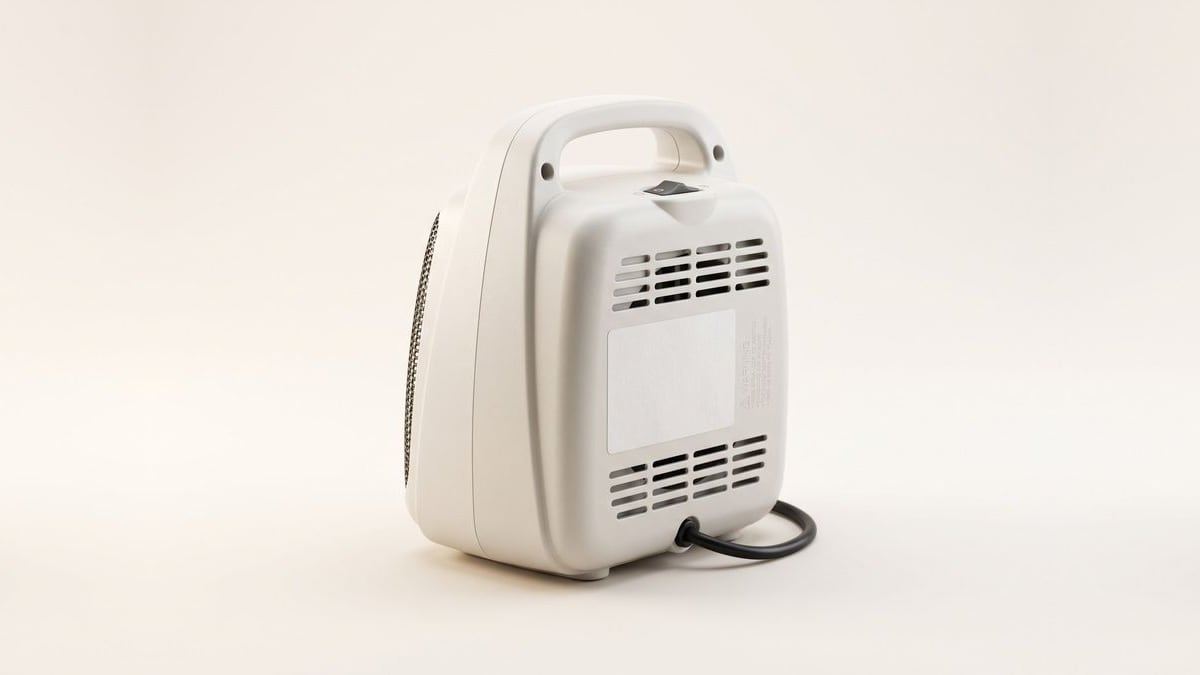
The Consumer Product Safety Commission issued about 420 recalls in 2025, covering more than 40 million units. Roughly six new recall notices land every week. That is a lot of risk hiding in the ordinary stuff people buy: space heaters, toys, grill brushes, cribs, power tools, appliances.
Most people never check unless something makes the news. By then, the product has usually been in the house for months or years.
What actually counts as a recall
For most household products, the main source is the CPSC. If it is not a car, drug, or food item, start there.
- CPSC.gov/Recalls: consumer products
- Recalls.gov: federal recall umbrella site
- SaferProducts.gov: complaints and incident reports, not just official recalls
If you only check one place, check the CPSC.
What about cars, food, and medications?
The CPSC handles household products. Three big categories sit with other agencies, and each keeps its own database.
Cars, tires, and car seats belong to NHTSA. Type in your VIN and it returns any open recall on that specific vehicle. Food, drugs, supplements, and cosmetics belong to the FDA; for groceries specifically, FoodSafety.gov pulls FDA and USDA notices into one feed. Meat, poultry, and eggs are USDA's FSIS.
When you are not sure who owns a product, start at Recalls.gov. It points you to all six federal agencies that issue recalls. The rest of this guide stays on the CPSC, because that is where almost everything in your house is covered.
How to check a product on CPSC.gov
Start with the brand or product name.
Then confirm the exact model number, date code, or UPC. That is the part people miss. A recalled Samsung TV does not mean all Samsung TVs are recalled. A recalled grill brush often means one specific batch, one code, one date range.
Finding your model number and date code
Check the back, bottom, inside a battery compartment, or on the original packaging. Most recall notices specify a date code format like "MMDDYY" or "YYWW". Match that exactly, and do not guess. The brand name alone is never enough. A recall applies to specific production runs, not entire product lines.
Reading the recall notice
Once you find a matching result, the notice will tell you which model numbers and date ranges are affected, what the hazard is, and what remedy the manufacturer is offering. If your model number falls outside the listed range, the product is probably not affected. Note the hazard anyway so you can recognize the symptoms.
How to check recalls on Amazon
If you bought the product on Amazon, check your order history first. When Amazon knows a sold item has been recalled, because it was fulfilled by Amazon or because the manufacturer reported it, Amazon will typically send an email notification and post a banner in your order history.
This only works reliably if you bought directly through Amazon and not a third-party marketplace seller, if the item was sold by Amazon or a seller who is still active, and if the recall was reported to Amazon by the brand. Third-party sellers who are no longer active may never file the report.
For used or older purchases, Amazon's notification is not a complete safety check. Always verify on CPSC.gov regardless of where you bought the item.
The grill brush problem
In April 2026, Nexgrill recalled 10.2 million wire grill brushes sold at Home Depot. The bristles could detach and end up in food. People were literally finding wire in their throats.
That is why recall checking matters. The product can sit in your house for years while the hazard quietly stays active.
What to do if you own a recalled item
- Stop using it.
- Find the recall notice.
- Contact the manufacturer.
- Follow the remedy instructions.
Most recalls offer one of three fixes: repair, replacement, or refund. Sometimes they want a photo. Sometimes they want the item destroyed. Sometimes they want it returned.
Take a picture of the product, the model label, and your receipt if you still have it. Then wait for the manufacturer to process the claim. If they stall, follow up.
Do not throw the item away before reading the notice. Some companies need proof before they issue the remedy.
If the recall involves fire risk or property damage, your insurer may be relevant too. Documenting the item and its condition overlaps with how you document a loss after a house fire or burglary.
Why manual checking breaks down
The average household owns hundreds of products. Kitchen tools, electronics, furniture, kids' gear, cleaning supplies, appliances, hobby equipment.
Now multiply that by six new recall notices a week.
Nobody is manually checking all of that on a schedule. That is why most recalls are found by accident: a news story, an email, a friend, a call from the manufacturer.
The better system is to match your own inventory against recall databases automatically.
If you already catalog your stuff, the same list can be checked for recalls. Best home inventory apps do this well because they already know what you own, what model it is, and when you added it.
Manifest matches your inventory against the CPSC database every day and flags anything that shows up on a recall list. That turns recall monitoring from a chore into a notification.
The second-hand trap
Used products are where this gets messy.
People sell recalled items all the time on Facebook Marketplace, Craigslist, garage sales, thrift stores, and random local listings. The seller may not know. The platform may not screen for it. You still own the risk.
If you buy used gear, check it before you use it. Especially if it heats up, plugs in, or goes near a child.
This is another reason to keep a proper inventory. The more complete your record, the faster you can check whether a second-hand item is safe.
How to set up CPSC recall alerts (and why email isn't enough)
CPSC offers two alert options. The first is a general subscription at CPSC.gov/Subscribe. You get every recall notice as it is issued, which runs to roughly six per week. After a few weeks, most people stop reading them because the product categories are usually irrelevant.
The second option is more useful. Search for a specific product category on CPSC.gov/Recalls, then use the RSS feed for that category. This gives you a narrower stream focused on product types you actually own.
Neither option is product-specific by default. For that, you need to know your model numbers and cross-reference them manually each time a notice arrives, or use a tool that does it for you. Manifest matches your inventory against the CPSC database daily and flags recalls that match something you own, rather than sending every notice regardless of relevance.
Do product recalls expire?
No. The CPSC does not close or expire recall notices. A recall issued in 2010 is still active today, and the manufacturer is still obligated to honor the remedy if you contact them.
In practice, remedy availability does vary over time. If enough units have been claimed, a refund pool may be exhausted. If the company has changed ownership, the process for submitting a claim may have changed. The safety guidance, stop using it, does not expire regardless of what the remedy situation looks like.
If you own a product you suspect was recalled years ago, look it up on CPSC.gov anyway. The notice will still be there and will tell you what to do.
FAQ
How often does the CPSC issue recalls? About six per week on average.
Are recalls mandatory? Most consumer recalls are voluntary in name, but the CPSC can force the issue. For you, the practical answer is the same: if it is recalled, stop using it.
Do I need a receipt for a recall remedy? Usually not. The model number matters more. A receipt helps, but it is rarely required.
What if the company is gone? Then the remedy may be limited or unavailable. The recall still exists, and you should still follow the safety instructions.
How long do recalls stay active? Indefinitely. A 2015 recall is still a 2026 recall.
Can I still use a recalled product if it seems fine? Not a good idea. The recall exists because something failed, even if it has not failed for you yet.
Does Manifest check recalls automatically? Yes. Manifest matches your inventory against the CPSC database daily and notifies you when something you own is affected.
Do product recalls expire? No. The CPSC does not close recall notices, so a 2012 recall is still active in 2026. Remedy availability from the manufacturer may vary over time, but the recall itself stays on record.
How do I check if an Amazon product I bought has been recalled? Check your Amazon order history. Amazon notifies buyers and marks orders when a recall is reported for an item it sold. This only works if you bought directly through Amazon, not a third-party seller, and the brand filed the recall with Amazon. For anything bought from a third-party seller or used, check CPSC.gov directly with the model number.
How do I check a used item I bought at a garage sale or thrift store? The same way as any product: go to CPSC.gov/Recalls, enter the brand and product name, and match the model number on the label. Platforms like Facebook Marketplace and Craigslist do not screen for recalls. Check before you use it, especially for items that plug in, heat up, or are used by children.
The bottom line
Recall checking is simple in theory and annoying in practice.
The fix is not more discipline. It is a better system.
If you already track what you own, the recall check becomes automatic. If you do not, you are relying on memory, which is exactly how recalled products stay in homes long after the warning goes out. For renters who haven't started yet, the renter's inventory guide takes about 30 minutes and covers recall-relevant items like electronics and small appliances.
Start your home inventory
Film a room and Manifest lists what it sees, then forward receipts to fill in prices. Free for 7 days, no card needed.